|
Taicheng Guo
Applied Scientist
|

Publication | Competition Awards | Experience | CV | MISC |






Principles before research and engineering: low ego, sincerity, and treating everyone as an equal. I strive to live by these principles throughout my life and value connecting with people who approach others with humility and mutual respect.
I'm currently an Applied Scientist on the Amazon Stores Foundation AI team, building and training the language agents behind Alexa for shopping assistant (Rufus). I received my PhD in Computer Science and Engineering from the University of Notre Dame in 2026, advised by  Prof. Xiangliang Zhang. I have shifted my focus to training intelligent agents for shopping and personalization and open-sourcing LLM-infra-related projects, with a greater emphasis on practical impact than paper-oriented research.
I study Agents and Systems, and how they co-evolve on the path to superintelligence:
- (1) Long-Horizon Agentic Training — how to train effective long-horizon agents for AI-System / Complex-Task Automation.
- (2) Agent-System Co-Design — how agents and the systems they run on can be designed jointly to amplify each other.
I work as a research engineer who is driven to build novel & fundamental systems from scratch. My skills centered on: Long-Horizon Agentic Training, Recursive Self-Improvement, Agent-System Co-Design, and Language Model Post-Training. My work (all first-authored) includes:
|
|
-

AutoLLMResearch: Training Research Agents for Automating LLM Experiment Configuration - Learning from Cheap, Optimizing Expensive
Taicheng Guo, Nitesh V. Chawla, Olaf Wiest, Xiangliang Zhang.
In Submission
Problem: LLM configuration requires costly experiments and expert judgment.[Code]
Contribution: We train configuration agents in the multi-fidelity LLMConfig-Gym environment.
General Key Insight: Sim-to-real transfer: learn from cheap experiments to guide expensive real-world runs. -
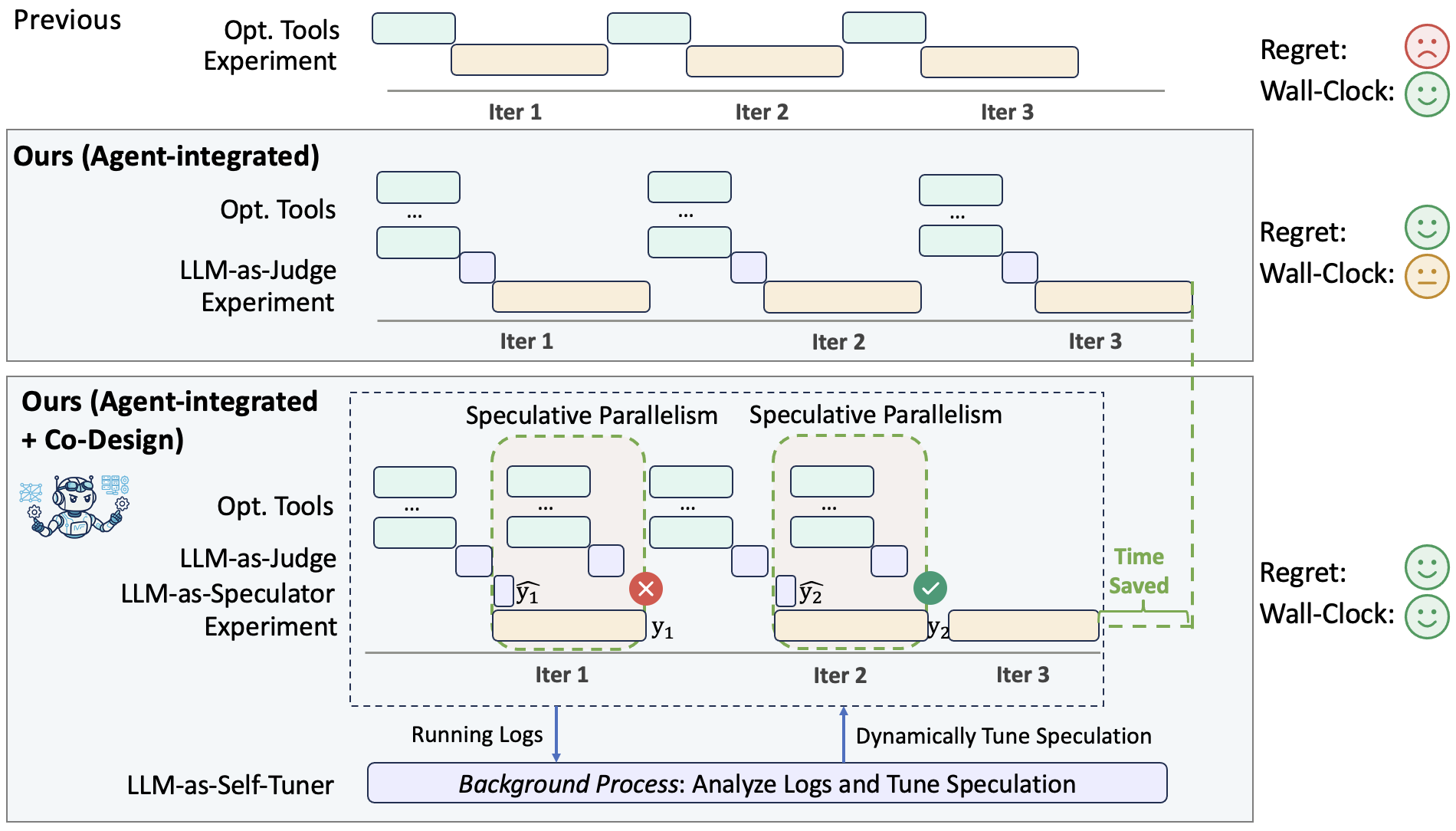
ASAP: Agent-System Co-Design for Wall-Clock-Centered Auto HPO Research for ML Experiments
Taicheng Guo, Haomin Zhuang, Kehan Guo, Yujun Zhou, Nitesh V. Chawla, Olaf Wiest, Xiangliang Zhang.
In Submission
Problem: LLM-based optimization often ignores orchestration overhead and tool diversity.
Contribution: We co-design optimizer orchestration and execution for faster search.
General Key Insight: Speculation can accelerate agent execution and improve end-to-end efficiency. -
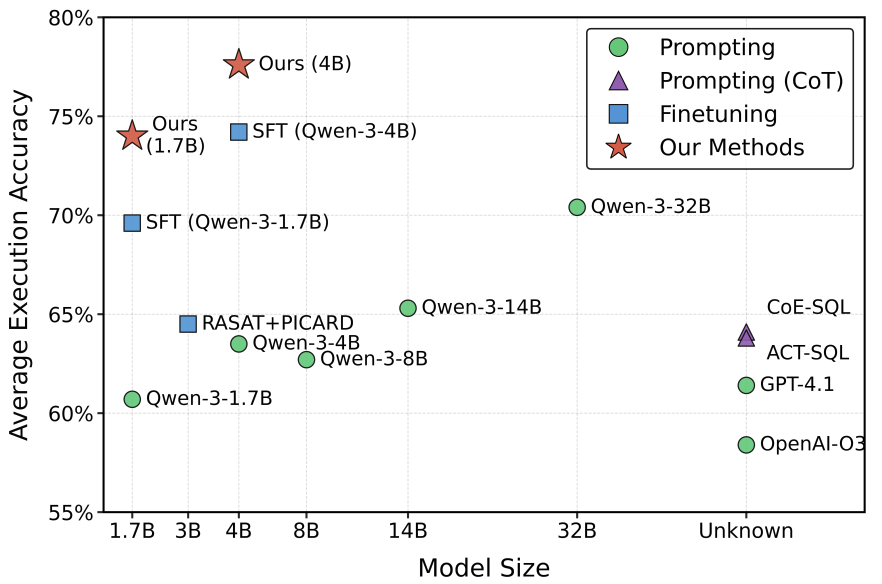
MTSQL-R1: Towards Long-Horizon Multi-Turn Text-to-SQL via Agentic Training
Taicheng Guo, Hai Wang, ChaoChun Liu, Mohsen Golalikhani, Xin Chen, Xiangliang Zhang, Chandan K. Reddy.
In ACL 2026 Main (Acceptance Rate 19%)
Problem: SQL generation often lacks feedback for correcting errors.[Code]
Contribution: We train SQL agents through execution and iterative refinement.
General Key Insight: Fine-grained credit assignment helps agents learn to correct themselves. -

Large Language Model based Multi-Agents: A Survey of Progress and Challenges.
Taicheng Guo, Xiuying Chen, Yaqi Wang, Ruidi Chang, Shichao Pei, Nitesh V. Chawla, Olaf Wiest, Xiangliang Zhang.
In IJCAI 2024 (Acceptance Rate 20%)
Problem: Multi-agent research lacks a unified framework.[Code]
Contribution: We survey agent design, communication, capabilities, and evaluation.
General Key Insight: Effective coordination turns individual agent capabilities into collective intelligence. -
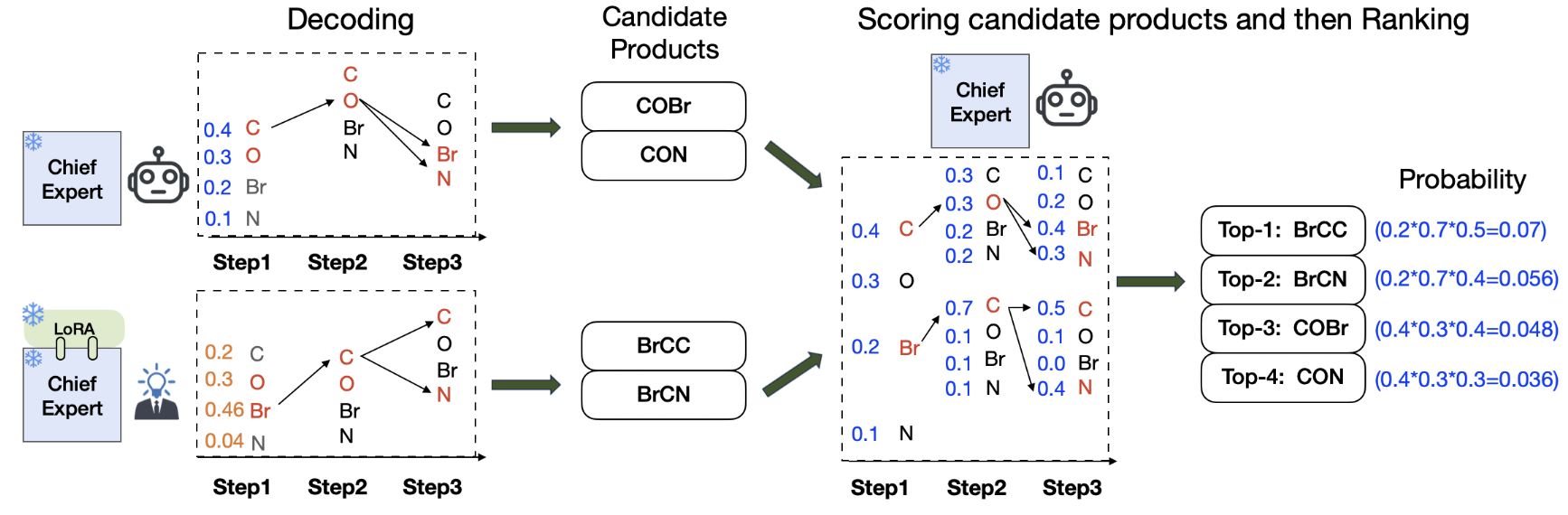
ReactionTeam: Teaming Model Experts for Divergent Thinking Beyond Typical Reaction Patterns.
Taicheng Guo, Changsheng Ma, Xiuying Chen, Bozhao Nan, Kehan Guo, Shichao Pei, Nitesh V. Chawla, Olaf Wiest, Xiangliang Zhang.
In IEEE Conference on BigData 2025 Oral (Acceptance Rate 18%)
Problem: Single-model predictions overlook plausible alternative reaction outcomes.[Code]
Contribution: We combine specialized prediction experts with a ranking expert.
General Key Insight: Broaden the range of model predictions within the search space. -
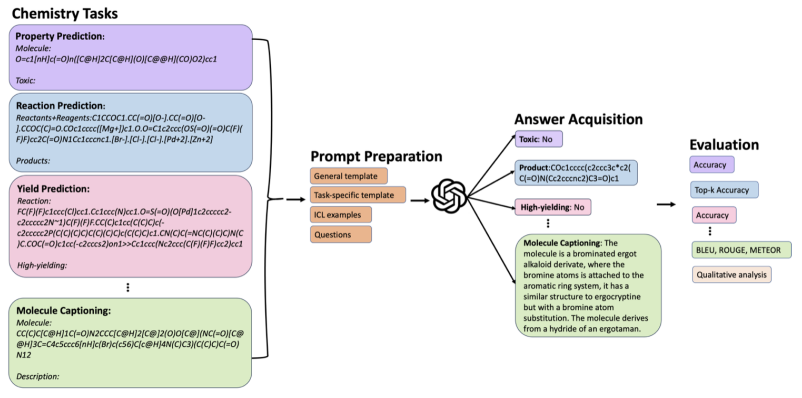
What can Large Language Models do in chemistry? A comprehensive benchmark on eight tasks.
Taicheng Guo, Kehan Guo, Bozhao Nan, Zhenwen Liang, Zhichun Guo, Nitesh V. Chawla, Olaf Wiest, Xiangliang Zhang.
In NeurIPS 2023 (Acceptance Rate 32%)
Problem: LLMs lack systematic evaluation in chemistry.[Code]
Contribution: We benchmark five LLMs across eight chemistry tasks.
General Key Insight: Capability depends on the task and prompting context. -
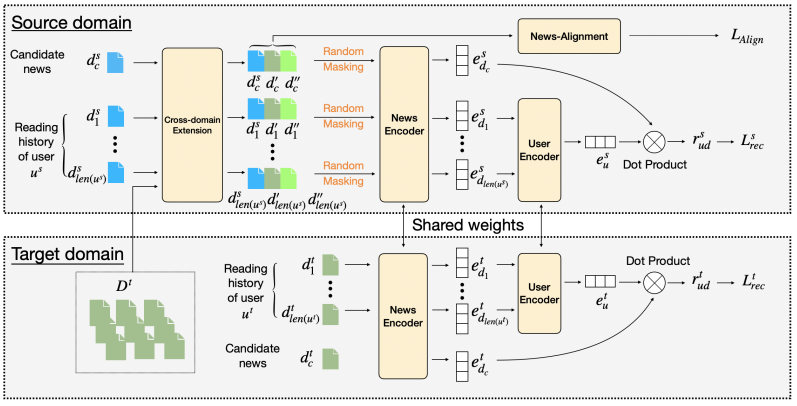
Few-shot News Recommendation via Cross-lingual Transfer.
Taicheng Guo, Lu Yu, Basem Shihada, Xiangliang Zhang.
In the ACM Web Conference(WWW 2023 Oral) (Acceptance Rate 19%)
Problem: New news platforms lack user interaction data.[Code] [Code]
Contribution: We transfer recommendation knowledge across languages.
General Key Insight: Shared structure enables learning across data-rich and data-scarce settings. -
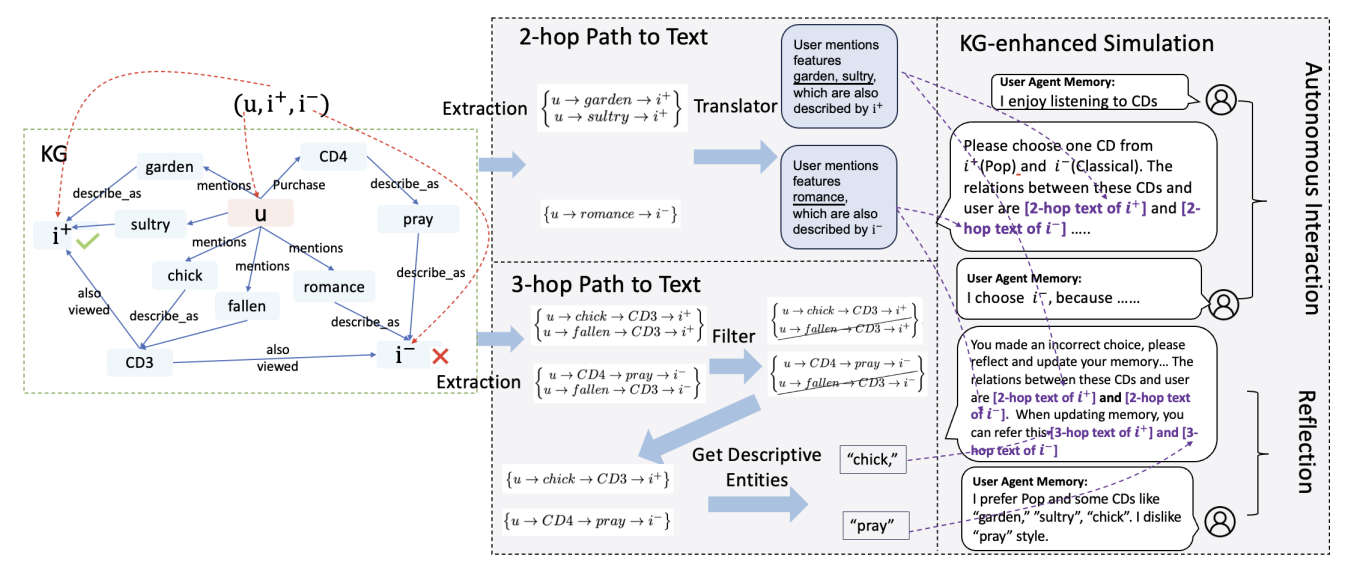
Knowledge Graph Enhanced Language Agents for Recommendation
Taicheng Guo, Chaochun Liu, Hai Wang, Varun Mannam, Fang Wang, Xin Chen, Xiangliang Zhang, Chandan K. Reddy.
In KDD@RelSciFM
Problem: Language agents miss important user-item relationships.
Contribution: We ground recommendation agents in knowledge-graph paths.
General Key Insight: Relational knowledge enriches an agent's context. -
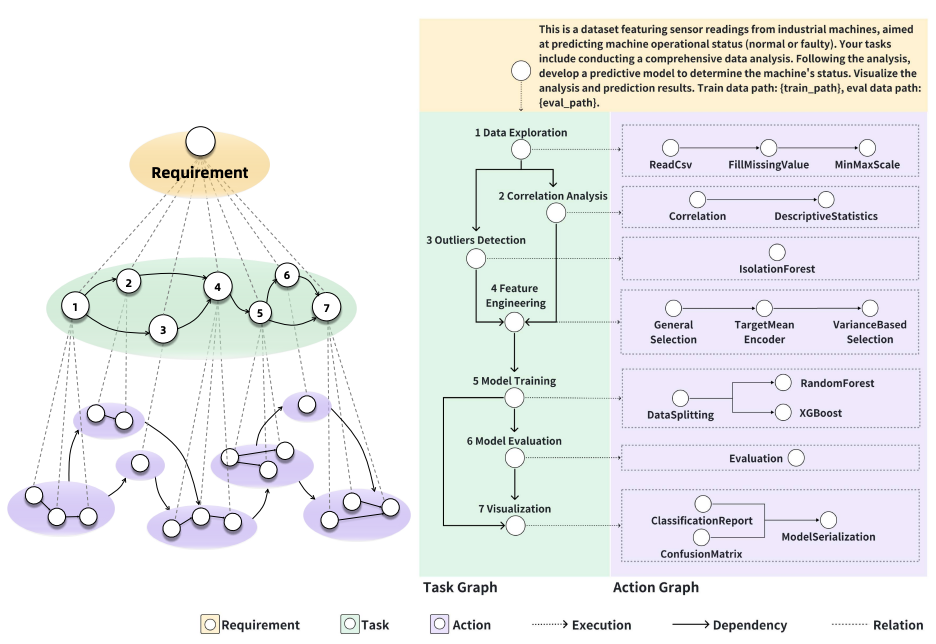
Data Interpreter: An LLM Agent For Data Science.
Sirui Hong, Yizhang Lin, ... Taicheng Guo
In ACL 2025 Findings
Problem: Agents struggle with long, changing data-science workflows.[Code]
Contribution: We combine hierarchical task graphs with self-refining code.
General Key Insight: Adaptive planning and verification improve workflow reliability.


-
KDD Cup Large-Scale RecSys Competition.
Ranked 2nd place. 🥈 ($4,000)
-
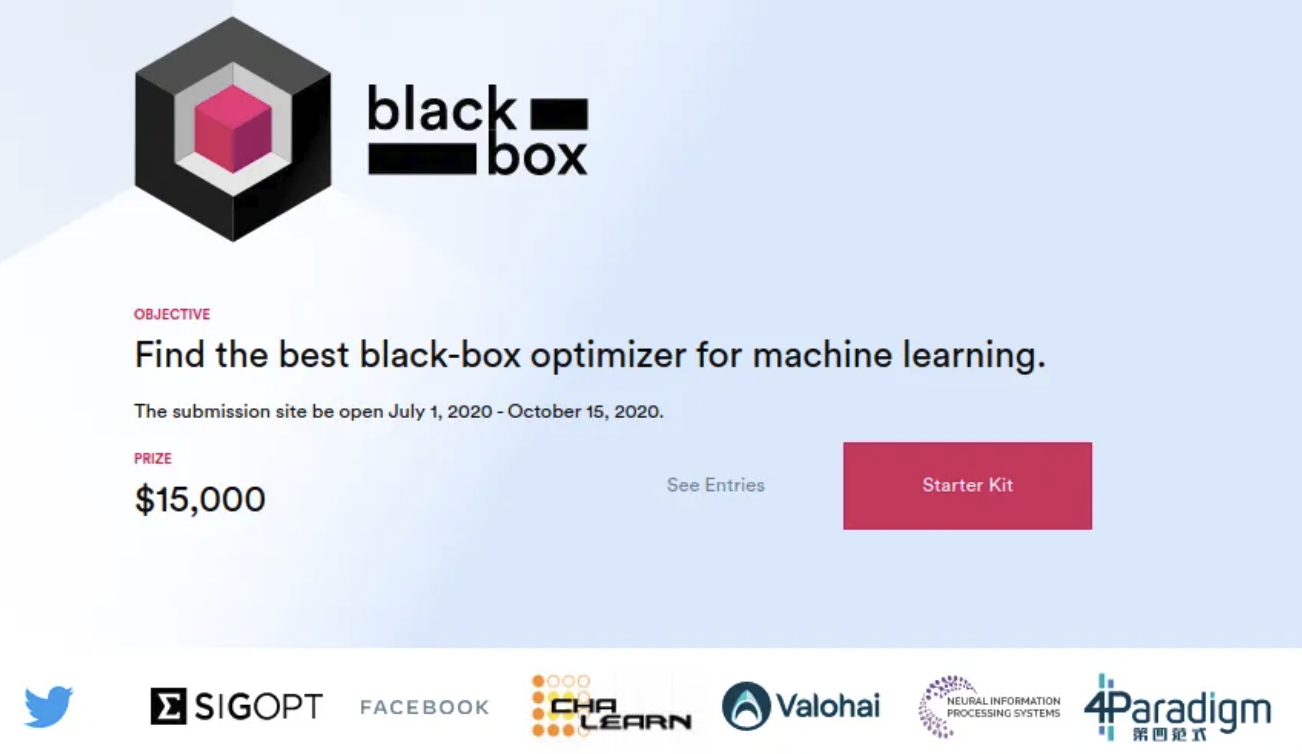
NeurIPS Black-Box AutoML Optimization Challenge.
Ranked 2nd place in warm-start friendly leaderboard. 🥈
-

Kaggle Arabic Sentiment Analaysis.
Ranked 5th place.
-
Kaggle Expert
-

IEEE Computer Society Global student challenge.
Ranked 1st place. 🏅 ($1000)
Last update: Apr, 2026. Webpage template borrows from Stephen Bach.